
Fueling Young Athletes with Type 1 Diabetes: Before, During, and After the Game
This article was written by University of Washington dietetic intern, Melissa Crane, and was reviewed/edited by Stephanie Magill, MS, RDN, CD, FAND.
Participation in sports introduces new challenges, even if your youth athlete is comfortable managing Type 1 Diabetes (T1D) during everyday life. Athletes often need different fueling strategies before, during, and after activity because exercise changes how the body uses glucose and insulin.
While every athlete’s needs are unique, having a game plan can help keep blood sugar in a safe range while supporting performance.
A quick reminder: Every athlete responds differently to exercise, carbohydrates, and insulin. The suggestions below are general guidelines and should always be individualized with your child’s endocrinologist or diabetes care team. Never make changes to insulin dosing without consulting your healthcare provider.
Was your child recently diagnosed with Type 1 Diabetes? Read our overview of Type 1 Diabetes for more information about T1D and how parents, coaches, and providers can support youth athletes.
Why Fueling Matters for Athletes with Type 1 Diabetes
When you exercise, your body relies on blood glucose and glucose stored in your muscles as glycogen to provide energy to keep moving. That’s why we see shifts in blood glucose during movement; your muscles – including your heart, lungs, and brain – all take in that precious sugar to keep going.
These changes become even more important when your athlete is also managing T1D. Exercise affects how much insulin the body needs, making it more difficult to keep glucose in a safe range.
If insulin levels are too high or too low for the activity, glucose can drop too low or rise too high, affecting both performance and safety.
During moderate physical activity, blood sugar often decreases because what’s available in the bloodstream is enough to fuel the body’s cells. However, as exercise intensity increases, the liver releases glucose from stored glycogen to provide additional energy.
High-intensity exercise can sometimes raise blood sugar. So athletes with T1D may need to adjust insulin or their fueling strategy to keep blood sugar in a safe range.
Exercise affects blood sugar differently for every athlete, so finding the right fueling routine takes time.
Using practices to experiment with carbohydrate intake, insulin adjustments (under the guidance of your diabetes care team), and meal timing can help identify what works best before game day.
Every athlete’s needs are unique. Work closely with your child’s diabetes care team, coaches, and family to create a plan that supports both athletic performance and safe blood sugar management.
Fueling Before Exercise
Before your child engages in physical activity, they should check their blood sugar and make sure it is within the range recommended by their diabetes care team.
Starting exercise with blood sugar that is too high or too low can increase the risk of blood sugar fluctuations during activity.
Your child’s diabetes care team can help you determine what blood sugar range is appropriate before different types of exercise and what steps to take when their blood sugar is outside that range.
Once you’ve established that it is safe for your child to exercise, the next step is fueling. Carbohydrates are especially important before physical activity because they provide the glucose muscles need to keep working.
The amount and timing of carbohydrate your child needs depends on several factors. These include the type and duration of activity, when they last ate, their current blood sugar and glucose trend, and how much insulin is active in their body.
As a general starting point, some young athletes may benefit from approximately 15-30 grams of carbohydrate about 15-30 minutes before activity. However, this is not a one-size-fits-all recommendation.
Your child’s diabetes care team can help determine whether this amount is appropriate for them and whether insulin adjustments are needed.
If there is more than an hour before activity begins, a more substantial snack or meal may be appropriate. Pairing carbohydrates with protein can provide additional staying power and help your child feel satisfied throughout practice or competition. For example, try:
- Apple or banana with peanut butter
- Greek yogurt with fruit
- Whole-grain toast with peanut butter
- Cheese and crackers
- Turkey and cheese on a small sandwich
- Oatmeal with milk and fruit
For activities starting soon, foods that are easy to digest and lower in fat and fiber may be tastier. A banana, applesauce pouch, pretzels, or graham crackers can provide a quick source of carbohydrate without leaving your child feeling overly full during exercise.

Remember that carbohydrate intake and insulin dosing need to be individualized. Do not change your child’s insulin dose based on general recommendations alone. Instead, work with their diabetes care team to develop a plan that takes their typical glucose response, insulin regimen, and activity level into account.
Fueling During Exercise
For longer practices, games, or tournaments, fueling does not stop once activity begins. Muscles continue using glucose throughout exercise, so some athletes may need additional carbohydrate during prolonged or particularly intense activity.
Keeping fast-acting carbohydrates easily accessible is an important part of being prepared. Depending on your child’s diabetes care plan and preferences, options may include:
- Glucose tablets
- Fruit snacks
- Juice boxes
- Regular sports drinks
- Energy gels or chews
The goal is not necessarily to eat throughout every practice. Instead, have carbohydrates available so your child can respond quickly if their blood sugar begins to fall or their diabetes care plan calls for additional carbohydrate during prolonged activity.
Hydration is also essential. Encourage your child to drink water regularly throughout practice and competition, particularly during hot or humid conditions. Dehydration can contribute to higher blood glucose levels and can make exercise more difficult.
For longer activities, blood glucose should be monitored according to the athlete’s diabetes management plan. Continuous glucose monitors can be particularly helpful for identifying whether glucose is trending up or down, but athletes should still have a plan for confirming and treating blood sugar changes when necessary.
Tournament days can require additional planning. Back-to-back games may mean your child needs to replace carbohydrates between activities rather than waiting for a larger meal after the last match.
Pack more snacks and fast-acting carbohydrates than you think you’ll need so you are prepared for changes in schedule, unexpected overtime, or an extra game.
Fueling After Exercise
Your child’s fueling routine should not end when practice or a game does. Recovery nutrition is important for all young athletes, and it is especially important when managing T1D because blood glucose can continue to change after exercise ends.
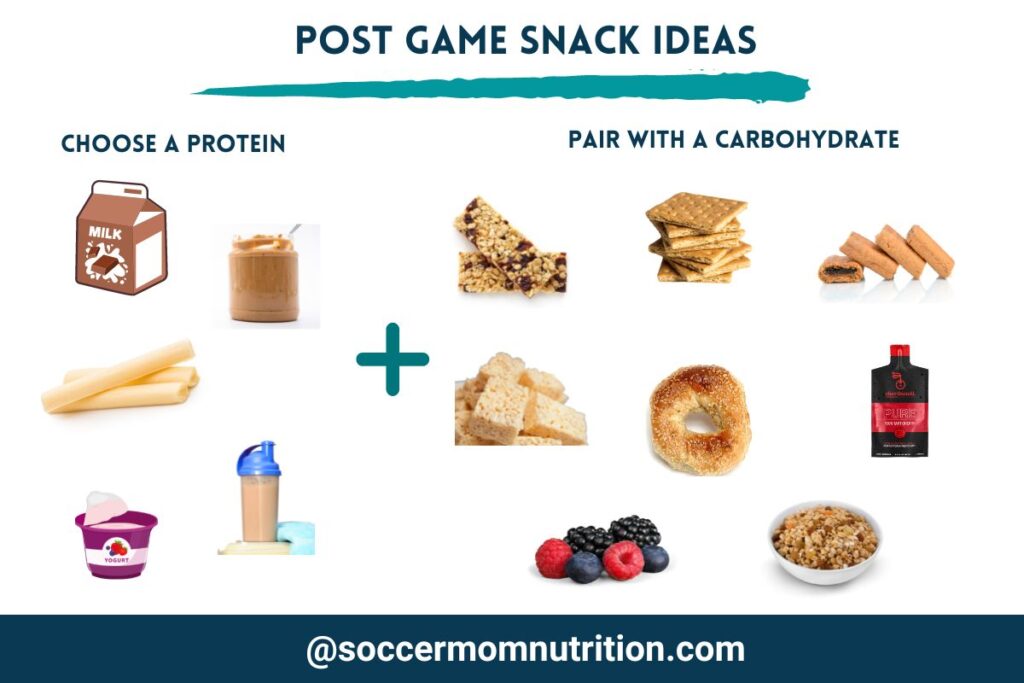
A post-workout snack or meal should include carbohydrates to help replace the glycogen used during exercise and protein to support muscle recovery. Depending on when the next meal is scheduled, consider snacks like:
- Chocolate milk
- Greek yogurt with fruit
- Peanut butter sandwich
- Fruit smoothie
Continue monitoring blood glucose after exercise, even if your child’s blood sugar was in range immediately after activity. Exercise can increase insulin sensitivity, meaning glucose levels may continue to fall for several hours after physical activity has ended. This can be particularly important after evening practices or games, when changes in blood glucose may occur overnight.
Again, every athlete responds differently. Keep track of patterns in blood glucose, activity, meals, snacks, and insulin with your child’s diabetes care team. If you consistently notice blood sugar dropping or rising during or after a particular type of exercise, bring those patterns to your child’s care team rather than trying to make insulin changes on your own.
The goal is not to find a “perfect” meal or snack that works for every athlete. The goal is to develop a fueling and diabetes management routine that works for your individual child and then practice it before game day.
Easy Snack and Meal Ideas
- 15-30 minutes before practice
- Banana
- Applesauce pouch
- Pretzels
- Graham crackers
- 1-3 hours before activity
- Turkey sandwich
- Greek yogurt with fruit
- Oatmeal
- Peanut butter toast
- During prolonged (60+ min) or intense activity, if needed
- Juice box
- Fruit snacks
- Glucose tablets
- Sports drink
- Recovery snacks
- Chocolate milk
- Yogurt and granola
- Cottage cheese and fruit
- Peanut butter sandwich
- Smoothie

Game Day and Tournament Tips
- Pack extra snacks
- Bring more low-treatment supplies than you think you’ll need
- Have backup diabetes supplies (pump/CGM supplies, insulin, batteries if applicable)
- Check glucose between games
- Practice fueling strategies before important competitions
- Communicate with coaches and athletic trainers
Key Takeaways
- There is no one-size-fits-all fueling plan.
- Practice is the best time to learn what works.
- Keep notes on meals, insulin, activity, and blood sugar trends.
- Partner with your child’s diabetes care team.
- The goal isn’t perfect blood sugars—it’s helping your child play confidently and safely.
References:
- Draznin MB. Type 1 Diabetes and Sports Participation: Strategies for Training and Competing Safely. The Physician and Sportsmedicine. 2000;28(12):49-56. Doi:10.1080/00913847.2000.11439609
- Hohendorff J, Ucieklak D, Skupien J, et al. Risk factors of hypoglycaemia in type 1 diabetes individuals during intensive sport exercise—Data from the SPORTGIVECHANCE event. Int J Clin Pract. 2019;73(11). Doi:10.1111/ijcp.13411
- Jaggers JR, Hynes KC, Wintergerst KA. Exercise and Sport Participation for Individuals with Type 1 Diabetes: Safety Considerations and the Unknown.ACSM’S Health & Fitness Journal. 2016;20(6):40-44. Doi:10.1249/FIT.0000000000000249
- Yurkewicz M, Cordas M, Zellers A, Sweger M. Diabetes and Sports: Managing Your Athlete With Type 1 Diabetes. American Journal of Lifestyle Medicine. 2017;11(1):58-63. doi:10.1177/1559827615583648
- Jaggers JR, King KM, McKay T, Dyess RJ, Thrasher BJ, Wintergerst KA. Association between Intensity Levels of Physical Activity and Glucose Variability among Children and Adolescents with Type 1 Diabetes. Int J Environ Res Public Health. 2023 Jan 16;20(2):1623. doi: 10.3390/ijerph20021623. PMID: 36674378; PMCID: PMC9865470.
- Jaggers, J.R.; Hynes, K.C.; Wintergerst, K.A. Exercise and Sport Participation for Individuals with Type 1 Diabetes. ACSM’S Health Fit. J. 2016, 20, 40–44, https://doi.org/10.1249/fit.0000000000000249.

Stephanie Magill, MS, RD, CD, FAND has over 22 years of experience in public health and nutrition. As a performance registered dietitian nutritionist, Stephanie specializes in sports nutrition and provides simple and actionable information so that athletes can be well fueled for high performance on and off the field. Stephanie has a Master’s Degree in Nutrition and is a Fellow of the Academy of Nutrition and Dietetics.